
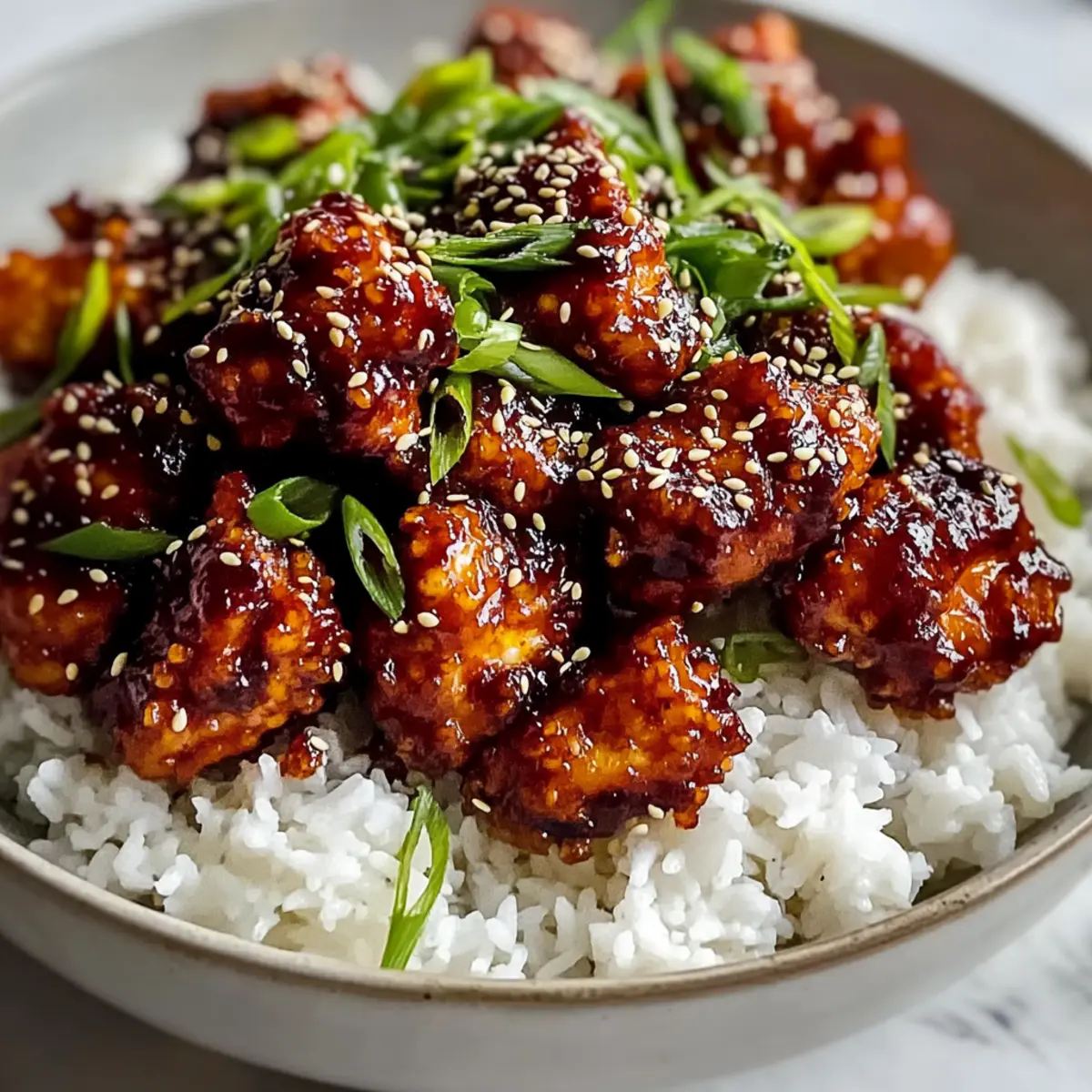
A sizzling skillet filled with the aroma of sweet and savory goodness is enough to ignite the hunger in anyone, especially when it comes to Sticky Korean Gochujang Chicken. This dish captures the essence of Asian cuisine with juicy, bite-sized chicken thighs coated in a thick, glossy sauce that boasts an enticing mix of flavors. What makes this recipe even more appealing is its quick preparation time, making it a perfect weeknight dinner that feels special. Plus, it’s gluten-free friendly, ensuring that everyone at the table can enjoy this delightful meal without worry. Did I mention how satisfying the crispy edges of the chicken can be? Ready to unveil a new family favorite? Let’s dive into this delicious journey!
Why is This Chicken Recipe Irresistible?
Unmatched Flavor: The Sticky Korean Gochujang Chicken boasts a sweet and spicy sauce that creates an explosion of taste with each bite.
Crispy Edges: You’ll love how the cornstarch coating gives the chicken a delightful crunch, perfectly complementing its tender interior.
Quick Prep: Ready in under 30 minutes, this dish fits seamlessly into your busy week while elevating your dinner table.
Versatile Enjoyment: Pair it with fluffy steamed rice, or try it with a spicy cucumber salad to add a refreshing twist, just like my Greek Chicken Stuffed Peppers.
Gluten-Free Options: Easily adapt this recipe for gluten-free preferences by using tamari and gluten-free gochujang!
Crowd-Pleasing Appeal: Perfect for family dinners or entertaining guests, this dish is sure to impress anyone looking for some delicious, homemade Asian cuisine.
Sticky Korean Gochujang Chicken Ingredients
For the Chicken
- Boneless Skinless Chicken Thighs – A juicy protein source that ensures tenderness; substitute with chicken breasts for a leaner dish.
- Cornstarch – Provides the crispy outer layer; use arrowroot powder for a gluten-free alternative.
- Neutral Oil (Canola or Avocado) – Ideal for high-heat cooking without flavor interference; other high-smoke oils can be used as substitutes.
- Kosher Salt & Black Pepper – Essential for enhancing flavor; adjust quantities to your taste.
For the Sauce
- Gochujang (Korean Chili Paste) – This primary flavor agent delivers heat and vibrant color; use red chili paste if unavailable, but expect a flavor shift.
- Soy Sauce – Adds umami and saltiness; swap with tamari to make the dish gluten-free.
- Honey or Brown Sugar – Contributes sweetness and caramelization; maple syrup can be an alternative for a unique flavor.
- Rice Vinegar – Balances acidity; apple cider vinegar works as a substitute if necessary.
- Garlic (Minced) & Fresh Ginger (Grated) – Intensifies flavor; powdered versions can suffice in a pinch.
- Toasted Sesame Oil – Imparts a nutty aroma; it’s best not to substitute this ingredient.
- Water – Aids in thinning the sauce for perfect consistency.
For Serving
- Fluffy White Steamed Rice – Complements the sticky chicken beautifully; jasmine or sushi rice is recommended for best results.
- Toasted White Sesame Seeds – Adds a delightful crunch and visual appeal; optional but enhances presentation.
- Green Scallions (Freshly Sliced) – Provides freshness and color contrast; substitute with chives if necessary.
Dive into this delightful adventure with Sticky Korean Gochujang Chicken! Whether you’re cooking for family or friends, this dish will surely be a hit!
Step‑by‑Step Instructions for Sticky Korean Gochujang Chicken
Step 1: Prepare the Chicken
Start by patting the boneless skinless chicken thighs dry with paper towels to remove excess moisture. This step is crucial for achieving a crispy exterior. Once dry, season the chicken pieces with kosher salt and black pepper, then toss them in cornstarch until fully coated. This will help create that delightful crunch when cooked.
Step 2: Sear the Chicken
In a large skillet, heat 2 tablespoons of neutral oil over medium-high heat until shimmering, about 2 minutes. Carefully add the chicken in a single layer, ensuring not to overcrowd the pan. Sear the chicken for 4-5 minutes without moving it, allowing it to develop a golden-brown crust. The sizzling sounds indicate that the browning process is happening beautifully.
Step 3: Create the Sauce
While the chicken is searing, prepare the sauce by combining gochujang, soy sauce, honey, rice vinegar, minced garlic, grated ginger, toasted sesame oil, and water in a mixing bowl. Whisk these ingredients together until smooth and well-combined. The sauce should have a glossy appearance and a balanced sweet-spicy aroma, ready to elevate the Sticky Korean Gochujang Chicken.
Step 4: Combine Chicken with Sauce
Once the chicken has achieved the desired golden-brown color, reduce the heat to medium. Pour the prepared sauce over the seared chicken, stirring gently to coat all pieces evenly. Let the mixture simmer for 2-3 minutes, watching as the sauce thickens and clings to the chicken, creating a luscious glaze.
Step 5: Serve with Rice
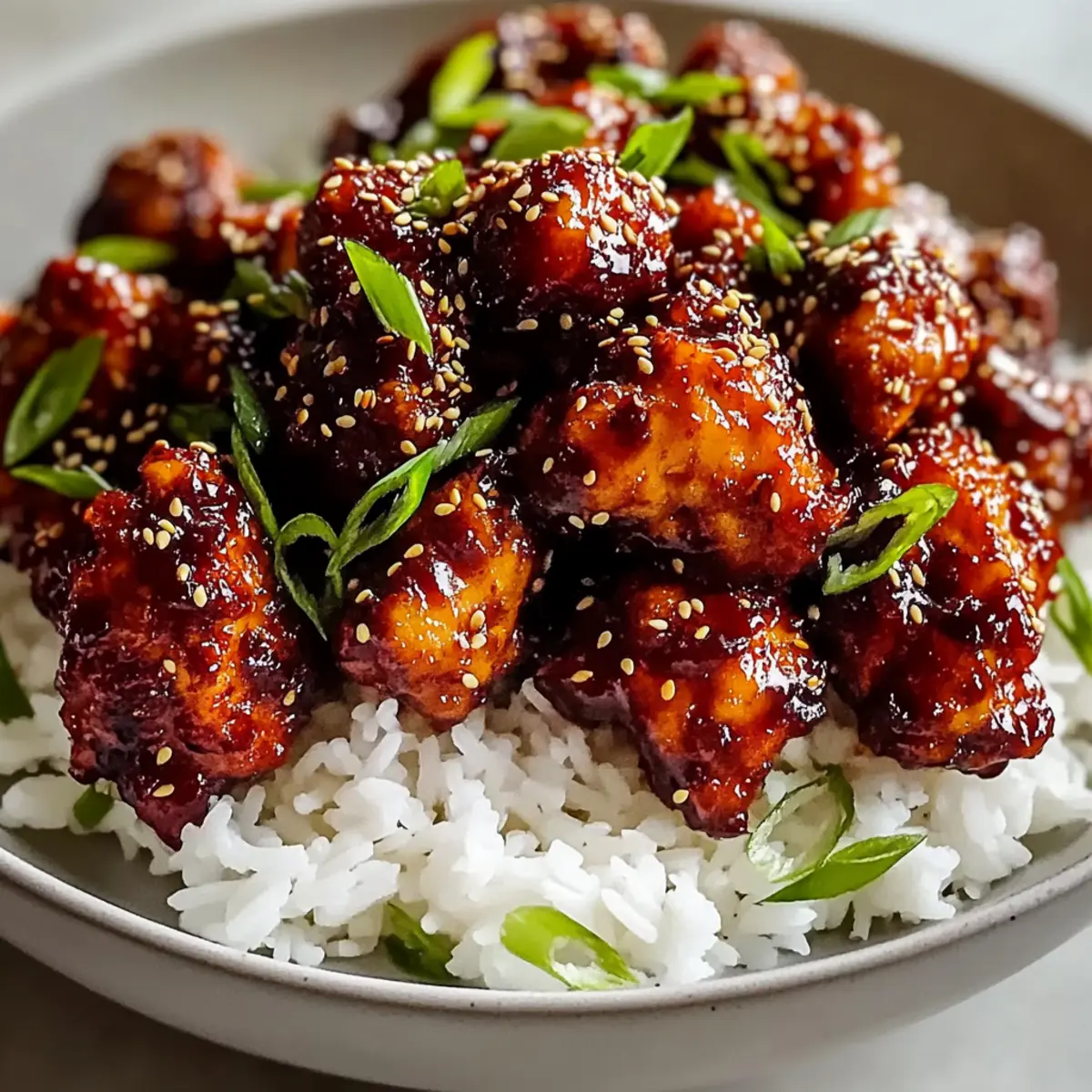
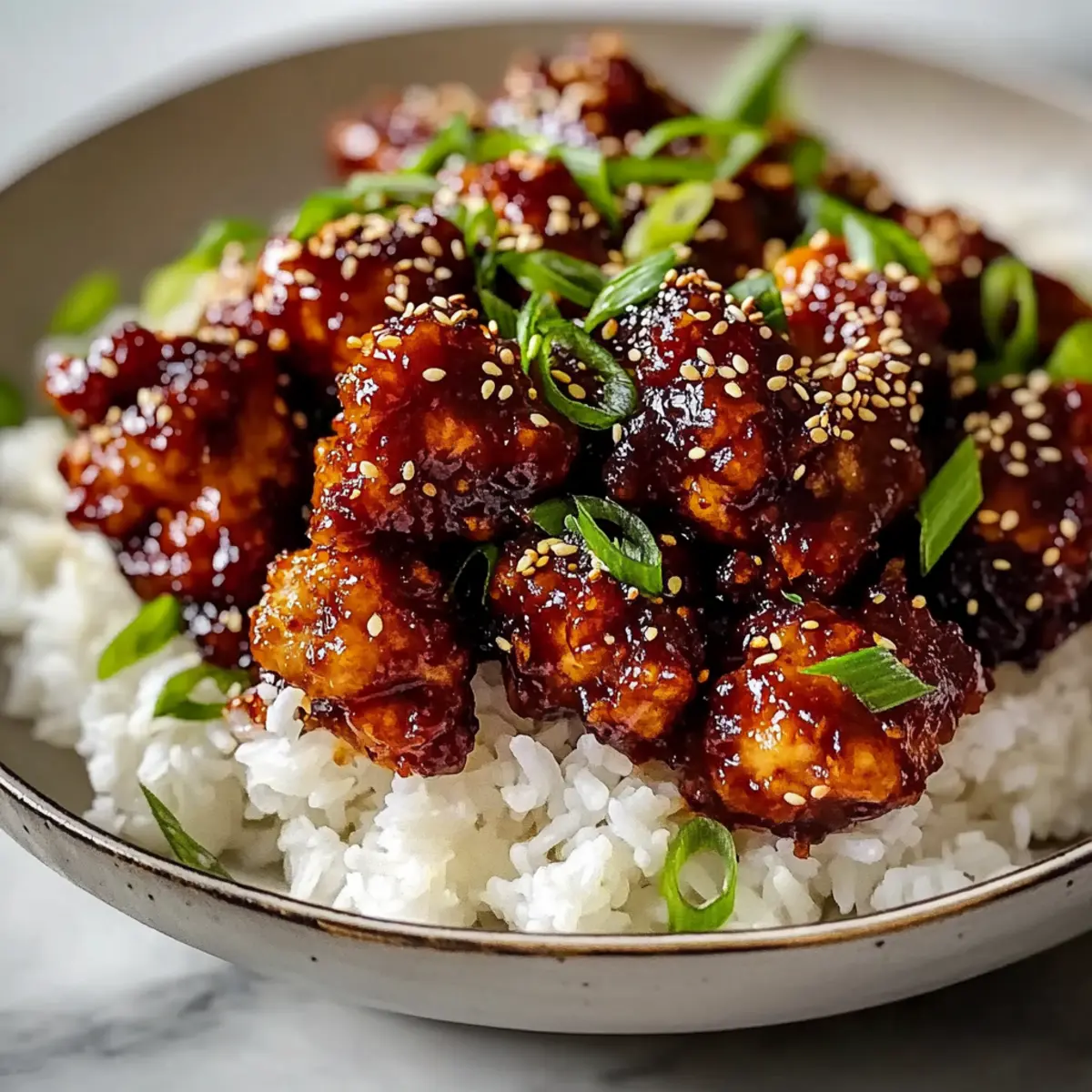
After the sauce has thickened, remove the skillet from the heat. Serve the Sticky Korean Gochujang Chicken over a bed of fluffy white steamed rice, allowing the sauce to soak in slightly. Finish with a sprinkle of toasted white sesame seeds and freshly sliced green scallions for added flavor and visual appeal, bringing your dish to life!
What to Serve with Sticky Korean Gochujang Chicken
Pairing your meal with the right sides can enhance the overall dining experience, making it even more memorable.
-
Fluffy Steamed Rice: The soft, neutral flavor of rice soaks up the rich gochujang sauce, making every bite a delightful melt of flavors.
-
Spicy Cucumber Salad: This refreshing side features crunchy cucumbers tossed in a tangy dressing that contrasts beautifully with the sticky chicken, adding a cooling effect.
-
Asian-Style Coleslaw: A crisp slaw with cabbage, carrots, and a light sesame dressing introduces freshness and texture, balancing the meal’s richness.
-
Roasted Broccoli: Slightly charred and drizzled with soy sauce, roasted broccoli offers a wonderful nutty flavor that enhances the entire dish.
-
Kimchi: This fermented side adds a zing of tanginess and heat, perfect for those who love bold flavors and wish to elevate their meal experience.
-
Mango Sticky Rice: For dessert, this sweet treat combines glutinous rice with fragrant coconut milk and ripe mango, creating a sweet finale that’s comforting and satisfying.
Each pairing offers distinct flavors and textures that complement the Sticky Korean Gochujang Chicken, ensuring a truly delightful dining journey!
Expert Tips for Sticky Korean Gochujang Chicken
-
Pat Dry: Ensure chicken pieces are fully dried before coating to achieve a perfectly crispy exterior while cooking.
-
Avoid Overcrowding: Cook chicken in batches if necessary; overcrowding the pan prevents adequate browning and texture.
-
Sauce Consistency: Keep an eye on the sauce; it should coat the chicken well and leave a trail when stirred with a spatula.
-
Adjust Spice: Feel free to modify the amount of gochujang based on your spice preference for a heat level that suits your palate.
-
Crispy Finish: For extra crispiness, broil the chicken for a few minutes once it’s coated in sauce to achieve that restaurant-quality finish.
Make Ahead Options
These Sticky Korean Gochujang Chicken morsels are a meal prep marvel! You can marinate the chicken in the gochujang mixture up to 24 hours in advance to allow the flavors to meld beautifully. The cornstarch coating can also be applied ahead of time, just be sure to keep the coated chicken in the refrigerator to maintain its crunch. On the day of serving, simply sear the marinated chicken as instructed, then drizzle the freshly prepared sauce over it. This method not only saves you prep time during those busy weeknights but also ensures you’re treating your family to a delightful homemade dinner that’s just as delicious!
Sticky Korean Gochujang Chicken Variations
Feel free to add your personal touch to the Sticky Korean Gochujang Chicken, enhancing flavor and texture to match your taste!
-
Chicken Breasts: Use chicken breasts instead of thighs for a leaner dish that still packs flavor. You’ll enjoy the slightly different, yet tender, texture.
-
Vegetable Boost: Add bell peppers or broccoli to the skillet for a colorful, nutritious touch that brings extra crunch and flavor harmony.
-
Spice Level: Adjust the quantity of gochujang to suit your heat preference; a little less for mild or add more for a robust kick!
-
Honey Alternatives: Swap honey for agave nectar or maple syrup for an equally sweet, yet unique flavor twist.
-
Vinegar Variations: Use white wine vinegar in place of rice vinegar for a slightly different tang that still complements the dish beautifully.
-
Soy Sauce-Free: For a soy-free option, utilize coconut aminos for a similar umami flavor while keeping the dish gluten-free.
-
Crispy Topping: Sprinkle crushed peanuts or fried shallots on top for an extra crunch that enhances both texture and flavor – a delightful surprise!
-
Sauce Thickener: Incorporate a cornstarch slurry for an extra-thick sauce if you desire a heartier coating that clings to each piece.
These variations can be easily adjusted to create an unforgettable meal every time, just as I’d recommend with my Chicken Meatballs Roasted or Easy Chicken Au Poivre. Enjoy exploring these delightful twists!
How to Store and Freeze Sticky Korean Gochujang Chicken
-
Fridge: Store in an airtight container for up to 4 days. This preserves the flavors and keeps the chicken moist while maintaining its delightful texture.
-
Freezer: Freeze in a freezer-safe container for up to 2 months. Make sure to cool completely before freezing for the best results.
-
Reheating: Thaw in the fridge overnight before reheating. Warm gently on the stovetop over low heat, adding a splash of water if necessary to rejuvenate the sauce.
-
Rice Storage: Store leftover rice separately in an airtight container for up to 3 days to prevent it from becoming mushy when reheated.
Sticky Korean Gochujang Chicken Recipe FAQs
How do I select the right chicken thighs for this recipe?
Absolutely! When selecting chicken thighs, look for those that are plump and have a smooth, non-blemished skin. If you see any dark spots or discoloration, skip those; they may indicate spoilage. Fresh chicken should feel firm and not sticky to the touch.
What’s the best way to store leftover Sticky Korean Gochujang Chicken?
To store leftovers, place the chicken in an airtight container and keep it in the fridge for up to 4 days. This helps maintain its moisture and flavor. If you prefer, you can separate the rice to avoid it becoming too soggy.
Can I freeze my Sticky Korean Gochujang Chicken? How?
Yes, you can freeze it! First, ensure the chicken has cooled completely; then, transfer it into a freezer-safe container or a freezer bag. It can be frozen for up to 2 months. When ready to eat, thaw it overnight in the fridge and warm it gently on the stovetop to maintain its sauce’s consistency and flavor.
The sauce seems too thick; what should I do?
Very good question! If you find that the sauce has become too thick, simply add a small amount of water (around 1-2 tablespoons) while gently reheating. Stir it well until it reaches your desired consistency. Remember, the sauce should cling nicely to the chicken without being too gloppy.
Is this recipe suitable for gluten-free diets?
Yes, indeed! To make Sticky Korean Gochujang Chicken gluten-free, simply use gluten-free gochujang and tamari instead of traditional soy sauce. Always check the labels to ensure they meet your dietary requirements, as some brands may vary.
How can I adjust the spice level for this dish?
The more the merrier! To adjust the spice level, simply modify the amount of gochujang you use. For a milder flavor, start with half the recommended amount and gradually add more, tasting as you go. You can also balance the heat with additional honey or sugar if it becomes too spicy. Enjoy customizing it to your taste!
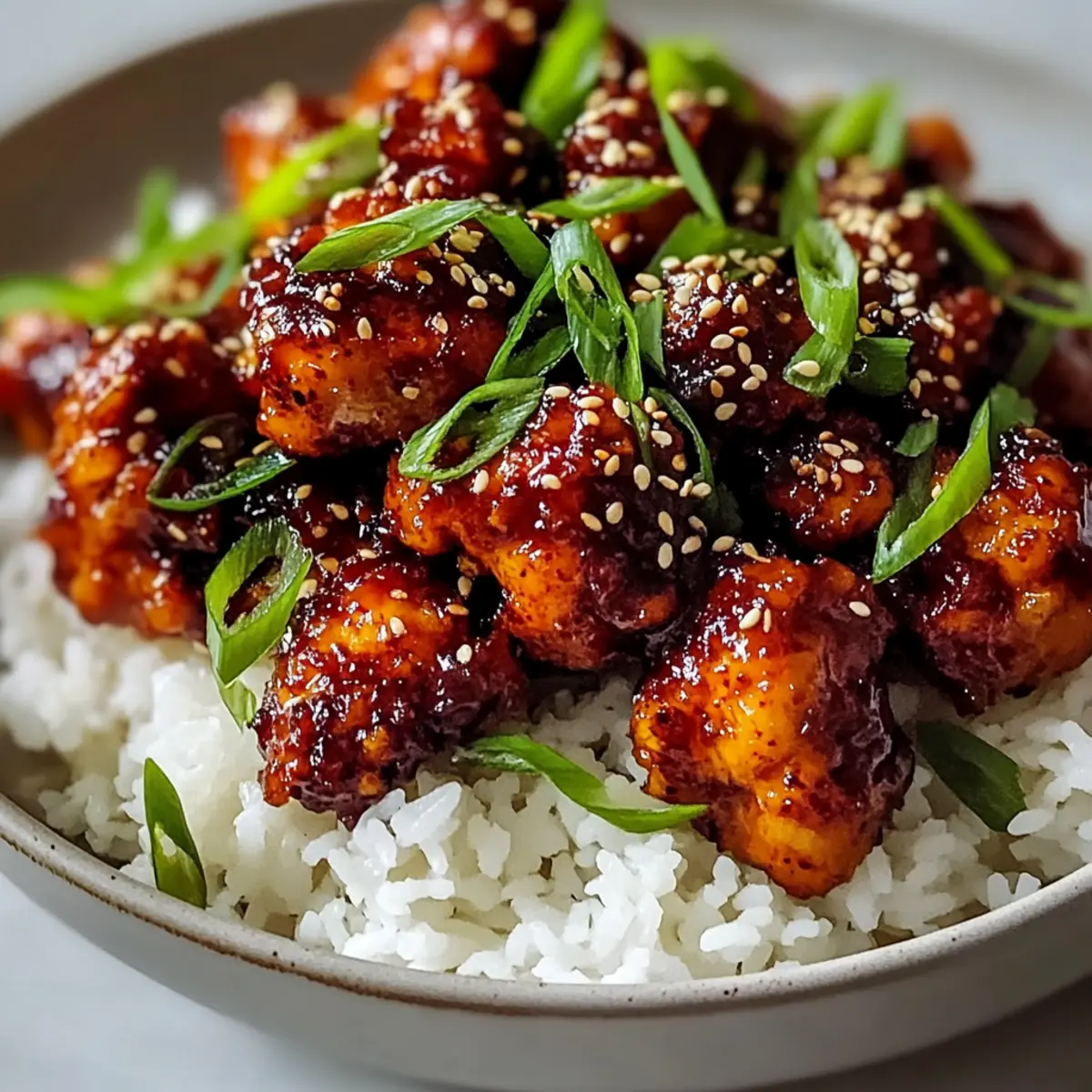
Sticky Korean Gochujang Chicken with Crispy Caramelized Edges
Ingredients
Equipment
Method
- Start by patting the boneless skinless chicken thighs dry with paper towels. Season the chicken with kosher salt and black pepper, then toss in cornstarch until fully coated.
- In a large skillet, heat 2 tablespoons of neutral oil over medium-high heat. Add the chicken in a single layer and sear for 4-5 minutes without moving it.
- Prepare the sauce by combining gochujang, soy sauce, honey, rice vinegar, minced garlic, grated ginger, toasted sesame oil, and water in a mixing bowl. Whisk until smooth.
- Once the chicken is golden-brown, reduce the heat to medium. Pour the sauce over the chicken and stir gently. Let it simmer for 2-3 minutes.
- Remove from heat and serve the chicken over steamed rice. Finish with toasted sesame seeds and sliced scallions.
Leave a Reply